

Keukenmaterialen en prestaties
Gietijzer versus email: de waarheid over hittebestendigheid onder hoog vuur
Een redactionele diepgaande duik in hoe ruwe gietijzeren en geëmailleerde kookgereicomponenten zich feitelijk gedragen wanneer de vlam helemaal omhoog wordt gedraaid - ondersteund door materiaalwetenschap, niet door marketingclaims.
Het directe antwoord
Als je regelmatig op hoog vuur kookt – aanbraden, roerbakken of in een wok – rauw gietijzeren pannensteun zal beter presteren dan een geëmailleerde versie in termen van pure hittetolerantie. Blank gietijzer is over het algemeen bestand tegen aanhoudende temperaturen daarboven 1200°F (649°C) zonder structurele degradatie, terwijl porseleinemailcoatings doorgaans thermische spanning beginnen te vertonen bij temperaturen variërend van 900°F tot 1.000°F (482°C tot 538°C) , afhankelijk van laagdikte en kwaliteit.
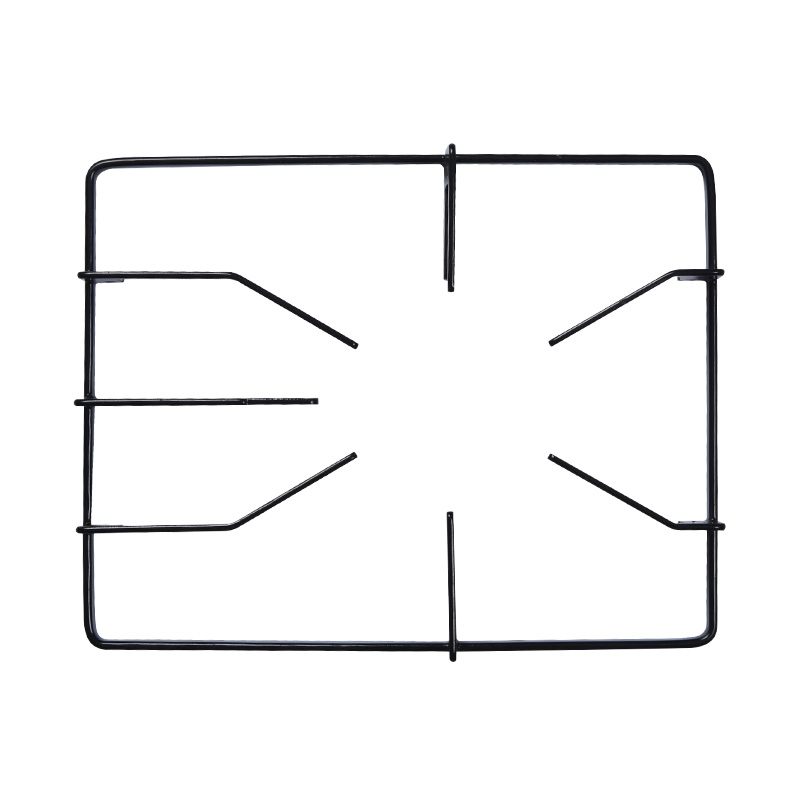
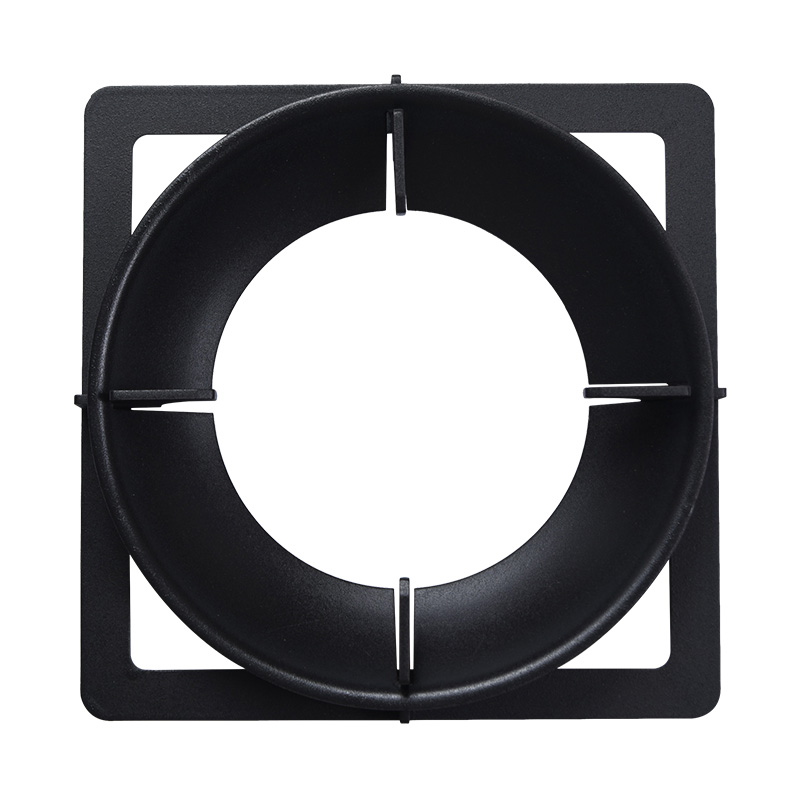
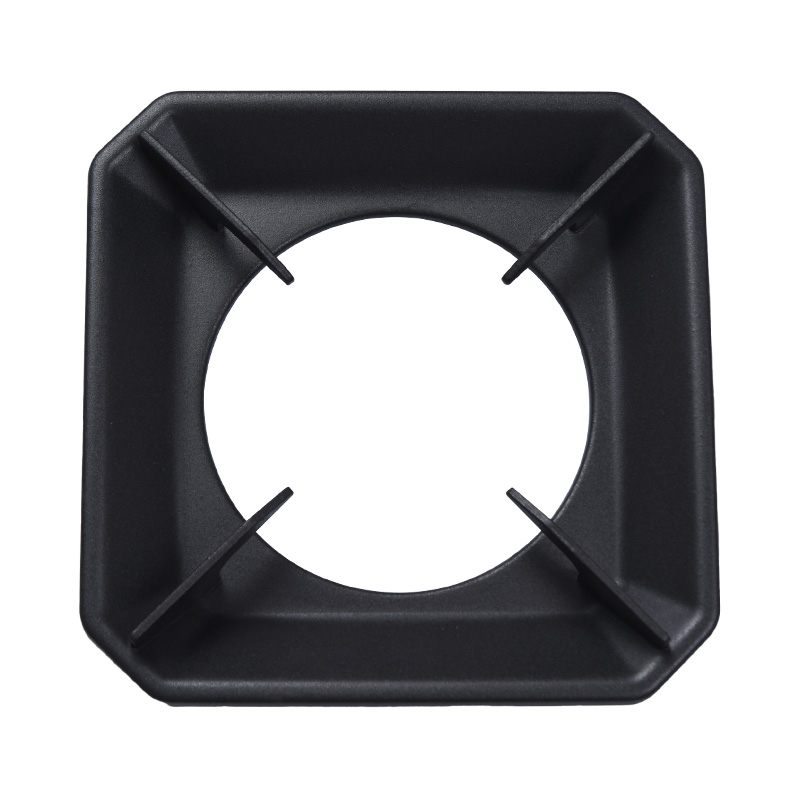
Dit betekent niet dat geëmailleerde pannendragers onveilig of van lage kwaliteit zijn; het betekent eenvoudigweg dat de emaillaag zelf een lagere drempel heeft voordat microscheurtjes, verkleuring of afbrokkeling kunnen optreden, ook al blijft de onderliggende ijzeren kern net zo hittetolerant als een ongecoate laag. ijzeren potsteun .
In praktische keukentermen is dit verschil het belangrijkst voor mensen die gedurende langere tijd open gasfornuizen op maximaal vermogen gebruiken, zoals professionele koks of mensen die Aziatische gerechten op hoge temperatuur bereiden. Voor gemiddeld thuis koken (koken, sudderen of matig frituren) presteren beide materialen betrouwbaar en is de hittebestendigheid van de emaillaag ruim voldoende.
Begrijpen wat emaillecoating eigenlijk is
Met email gecoate pannendragers zijn gemaakt van een gietijzeren basis die is versmolten met een dunne laag glasachtig porseleinemail, die tijdens de productie doorgaans wordt aangebracht via een bakproces bij hoge temperaturen van ongeveer 1400 ° F tot 1600 ° F. Deze coating dient verschillende doelen: het voorkomt roest, voegt kleur en esthetische aantrekkingskracht toe en creëert een gladder oppervlak dat bestand is tegen vlekken.
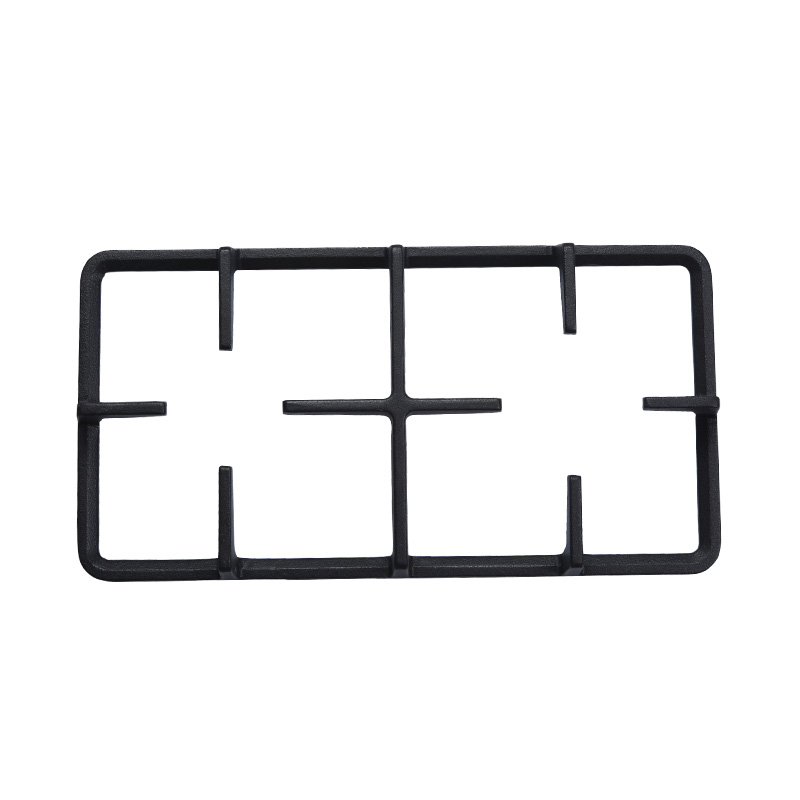
Gietijzeren potsteun
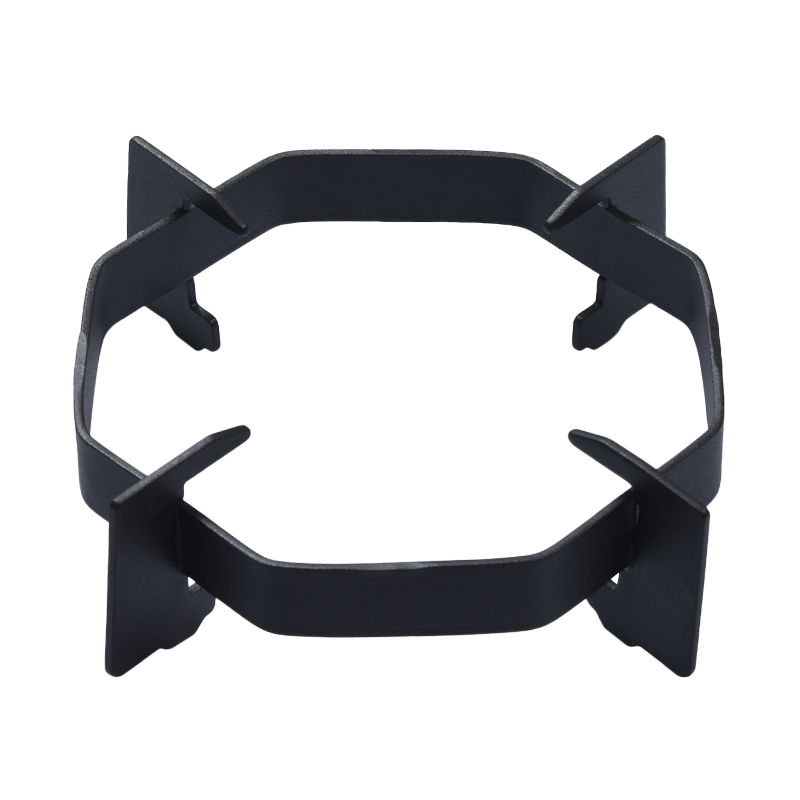
Zodra de pannendrager echter regelmatig wordt gebruikt, wordt het emaille niet langer onder gecontroleerde fabrieksomstandigheden gebakken; het wordt blootgesteld aan de fluctuerende, ongelijkmatige hitte van een gasbrander thuis, die zich heel anders gedraagt.
Als het emaille eenmaal van de fabriekslijn is gehaald, wordt het geconfronteerd met de ongelijkmatige hitte van een brander - niet met het langzame, uniforme vuur waaronder het is ontworpen.
Waarom het productieproces geen voortdurende hittebestendigheid garandeert
Tijdens de productie wordt het email verwarmd en afgekoeld in een langzaam, uniform proces waardoor de glascoating gelijkmatig met het strijkijzer kan hechten. Bij het dagelijks koken produceert een kachelbrander echter zeer plaatselijke warmte – vaak direct geconcentreerd onder de vlampoorten – waardoor thermische gradiënten over het oppervlak van de kookplaat kunnen ontstaan. gietijzeren pannensteun . Deze gradiënten zijn de belangrijkste reden waarom emailcoatings kwetsbaarder zijn voor spanningsbreuken dan het onderliggende metaal.
Vergelijking van hittebestendigheid onder hoog vuur
Om de vergelijking concreet te maken, schetst de onderstaande tabel hoe elk materiaal zich doorgaans gedraagt bij verschillende vlamintensiteiten, op basis van algemene specificaties van de fabrikant en veldobservaties van langdurig keukengebruik.
| Vlamintensiteit | Rauwe gietijzeren potsteun | Geëmailleerde potsteun |
|---|---|---|
| Laag tot gemiddeld (300°F–600°F) | Geen zichtbaar effect | Geen zichtbaar effect |
| Hoog (700°F–900°F) | Stabiel, geen kromtrekken | Lichte verkleuring mogelijk |
| Zeer hoog (1.000°F) | Behoudt vorm en functie | Risico op haarscheurtjes of chippen |
| Plotselinge temperatuurdaling (koud waterspatten) | Minimaal risico op barsten | Hoger risico op glazuurbreuk |
Zoals de tabel laat zien, wordt het prestatieverschil aanzienlijk groter zodra de temperatuur boven de 1000 °F komt, wat gebruikelijk is bij gebruik van een wokbrander of een professioneel gasfornuis met hoog vermogen. Onder deze omstandigheden is een ijzeren potsteun zonder enige coating blijft de veiligere, meer voorspelbare keuze.
Waarom email kan barsten of afbrokkelen onder extreme hitte
Emaille is in wezen een dunne laag glas die op metaal is gesmolten. Glas en metaal zetten bij verhitting met verschillende snelheden uit: dit staat bekend als differentiële thermische uitzetting. Wanneer een gietijzeren pannensteun Wanneer een emaillaag wordt blootgesteld aan snelle of extreme hitte, zet het ijzer eronder sneller uit dan de glascoating kan opvangen, waardoor er interne spanning ontstaat. Na verloop van tijd manifesteert deze stress zich als:
- Fijne haarscheurtjes, vaak onzichtbaar totdat voedselresten erin terechtkomen
- Kleine chipjes aan de randen of contactpunten waar potten rusten
- Verkleuring of dof worden van de glanzende emailleafwerking
- Blootliggende metalen plekken die uiteindelijk kunnen roesten als ze niet worden aangepakt
Dit is geen defect dat uniek is voor een enkel product; het is een fysiek kenmerk van de constructie van email op metaal in het algemeen. Zelfs op hoogwaardig geëmailleerd kookgerei en kookaccessoires staan waarschuwingen van de fabrikant tegen blootstelling aan plotselinge, extreme temperatuurveranderingen, zoals het plaatsen van een zeer hete pannendrager direct onder koud stromend water.
Spoel een hete geëmailleerde pannendrager nooit af onder koud water. De plotselinge temperatuurverschuiving is de meest voorkomende oorzaak van glazuurbreuk.
Gietijzeren pot ondersteunt prestaties bij hoge temperaturen
Ruw gietijzer heeft een smeltpunt van ongeveer 2200 °F (1204 °C), wat veel hoger is dan alles wat een huishoudelijke kachel kan produceren. Dit geeft een ongecoat gietijzeren pannensteun een enorme veiligheidsmarge. In de praktijk vertaalt dit zich in verschillende praktische voordelen voor koken op hoge temperaturen:
- Het behoudt de structurele stijfheid, zelfs als de vlam gedurende langere perioden op maximaal vermogen staat.
- Er ontstaan geen oppervlaktescheuren, omdat er geen secundaire coatinglaag is die spanningsbreuk kan veroorzaken.
- Het kan snelle temperatuurschommelingen aan, zoals het dichtschroeien van vlees onmiddellijk na het koken van water, zonder risico op chippen.
- Het kan opnieuw worden behandeld of licht opnieuw worden geolied als er oppervlakteroest verschijnt, waardoor de bruikbare levensduur voor onbepaalde tijd wordt verlengd.
De afweging: roestrisico zonder beschermende coating
Het hittebestendigheidsvoordeel van een ongecoat product ijzeren potsteun wordt geleverd met een onderhoudsafweging. Zonder geëmailleerde barrière is kaal gietijzer gevoeliger voor roest, vooral in vochtige keukens of als het oppervlak na het reinigen nat blijft. Dit is de fundamentele afweging die kopers maken: superieure hittetolerantie versus minder onderhoud en betere roestbestendigheid.
Een dunne laag bakolie die na het schoonmaken wordt aangebracht, helpt roest op kaal gietijzer te voorkomen en bouwt geleidelijk aan een beschermende, niet-klevende smaak op.
Duurzaamheid van ijzeren potten bij herhaalde cycli met hoge temperaturen
Hittebestendigheid gaat niet alleen over het weerstaan van een enkele gebeurtenis bij hoge temperaturen, maar ook over de mate waarin een materiaal honderden of duizenden verwarmings- en afkoelingscycli kan doorstaan. Dit is waar de kloof tussen ruw gietijzer en geëmailleerd gietijzer het meest duidelijk wordt bij veelvuldig koken met hoge intensiteit.
Een onderzoek naar thermische vermoeidheid in gecoate versus ongecoate metalen componenten – een principe dat veel wordt toegepast bij het testen van kookgerei en industriële apparatuur – laat zien dat herhaalde thermische cycli de vorming van microbreuken in coatings op glasbasis veel meer versnellen dan in massief metaal. In keukentermen kan een wokbrander van restaurantkwaliteit die meerdere keren per dag een temperatuur van 1100 °F bereikt, de emailafwerking binnen één tot twee jaar zichtbaar aantasten, terwijl een niet-gecoate gietijzeren pannensteun onder dezelfde omstandigheden kan het oppervlak slechts een kleine patina vertonen - een natuurlijke, onschadelijke verdonkering die de prestaties niet beïnvloedt.
Voorbeeld uit de praktijk: thuiskoks versus gebruikers die veel warmte gebruiken
Voor een typische thuiskok die middelhoge hitte gebruikt voor de dagelijkse maaltijden, zal een geëmailleerde pannendrager waarschijnlijk vele jaren meegaan zonder merkbare hitteschade. Maar voor iemand die vaak een kalkoenfriteusebrander, een grote wokring of een commercieel hoog-BTU-assortiment gebruikt, is ruw gietijzer de meer veerkrachtige en kosteneffectieve keuze voor de lange termijn, omdat het de terugkerende noodzaak vermijdt om een afgebroken of gebarsten emailoppervlak te vervangen.
Praktische aanbevelingen voor koken op hoog vuur
Kiezen tussen de twee gaat niet alleen over welk materiaal technisch sterker is, het gaat erom dat het product aansluit bij uw werkelijke kookgewoonten. Gebruik de onderstaande richtlijnen om te beslissen welk type gietijzeren pannensteun past bij uw keuken.
- Kies voor ruw gietijzer als u regelmatig kookt met hoge BTU-branders, wokringen of propaanfornuizen voor buitengebruik.
- Kies voor geëmailleerde steunen als u meestal op laag tot middelhoog vuur kookt en prioriteit geeft aan eenvoudige reiniging en roestbestendigheid.
- Giet geen koude vloeistoffen rechtstreeks op een heet geëmailleerd oppervlak, aangezien dit de meest voorkomende oorzaak van barsten is.
- Inspecteer geëmailleerde steunen regelmatig op haarscheurtjes, vooral rond de randen waar potten contact maken.
- Houd bij commerciële keukens rekening met de vervangingskosten: geëmailleerde coatings die intensief worden gebruikt, moeten mogelijk vaker worden vervangen dan massief ijzer.
Laat een pot op natuurlijke wijze afkoelen voordat u hem afwast, in plaats van hem onmiddellijk af te spoelen; deze ene gewoonte verlengt op betekenisvolle wijze de levensduur van elke geëmailleerde afwerking.
Onderhoudstips om de hittebestendigheid van beide materialen te behouden
Welk type u ook kiest, goed onderhoud verlengt de effectieve hittebestendigheid en levensduur van het product. Voor een ongecoate ijzeren potsteun Het aanbrengen van een dunne laag bakolie na het schoonmaken helpt roest te voorkomen en creëert tegelijkertijd een milde beschermende kruidenlaag die de warmteverdeling in de loop van de tijd enigszins kan verbeteren. Bij met email gecoate dragers voorkomt het vermijden van schurende schuursponsjes microkrassen die later ingangen kunnen vormen voor door hitte veroorzaakte barsten.
Reinigingsmethoden die thermische stress verminderen
Door een pot op natuurlijke wijze af te laten koelen voordat u hem afwast (in plaats van hem onmiddellijk onder koud water af te spoelen) wordt de thermische schok die ervoor zorgt dat het emaille barst aanzienlijk verminderd. Deze enkele gewoonte is een van de meest effectieve manieren om de bruikbare levensduur van een geëmailleerde coating te verlengen gietijzeren pannensteun , ongeacht hoe vaak het wordt blootgesteld aan hoge vlammen.
Schurende schuursponsjes op geëmailleerde oppervlakken – krassen op het oppervlak worden zwakke punten waar toekomstige hittegerelateerde scheuren het meest waarschijnlijk zullen ontstaan.
Eindoordeel: welke moet u kiezen?
Voor pure hittebestendigheid bij hoge vlammen is ruw gietijzer de duidelijke winnaar. Het hogere smeltpunt, de weerstand tegen thermische schokken en de afwezigheid van coatinggerelateerde spanningsbreuken maken het de betrouwbaardere optie voor intens en langdurig koken. Geëmailleerde pannendragers blijven een solide, aantrekkelijke en onderhoudsarme keuze voor het dagelijkse koken op gematigde temperaturen, maar ze zijn niet ontworpen om dezelfde extremen te doorstaan als kaal ijzer.
Uiteindelijk hangt de juiste keuze af van hoe je kookt. Als koken op hoog vuur en hoge frequentie deel uitmaakt van uw routine, biedt een ruwe gietijzeren pannendrager superieure hittebestendigheid op de lange termijn , terwijl een versie met geëmailleerde coating beter geschikt is voor mensen die waarde hechten aan eenvoudig onderhoud en dagelijks gebruik bij gematigde hitte.